Survey of JWST Findings on the Early Universe
The James Webb Space Telescope (JWST), launched in 2021, has revolutionized our understanding of the early universe by peering back to times as early as 300 million years after the Big Bang (redshifts z > 10-20). Key findings from 2022-2025 include:
- High Abundance of Early Galaxies: JWST observations, such as those from the JADES program, confirm a high number density of galaxies at z ≈ 9-11, exceeding predictions from standard galaxy formation models by factors of 2-10. This suggests faster or more efficient star formation in the early cosmos.
- Unexpectedly Bright and Massive Galaxies: Initial data revealed galaxies brighter than anticipated, potentially due to central supermassive black holes enhancing luminosity, making them appear "modern" despite their age. For example, over 300 relatively bright objects were identified in a small field, challenging the slow hierarchical growth in ΛCDM cosmology.
- Earliest Galaxies Discovered: JWST spotted the most distant galaxy yet, a "cosmic miracle" at z ≈ 20 (about 180 million years post-Big Bang), with over 100 more early galaxies than expected. This includes insights into reionization, where early stars and black holes ionized the universe earlier than thought.
- Revisions to Initial Anomalies: Early reports of "impossible" massive galaxies were refined; masses are lower than first estimated, but still indicate rapid evolution, not breaking cosmology but revealing new processes like black hole-driven brightness.
These findings challenge standard models by suggesting the universe matured faster, with implications for dark energy and structure formation.

Explaining JWST Findings with the Super Golden TOE
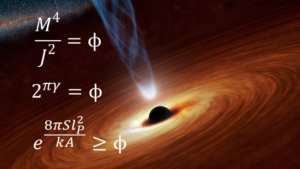
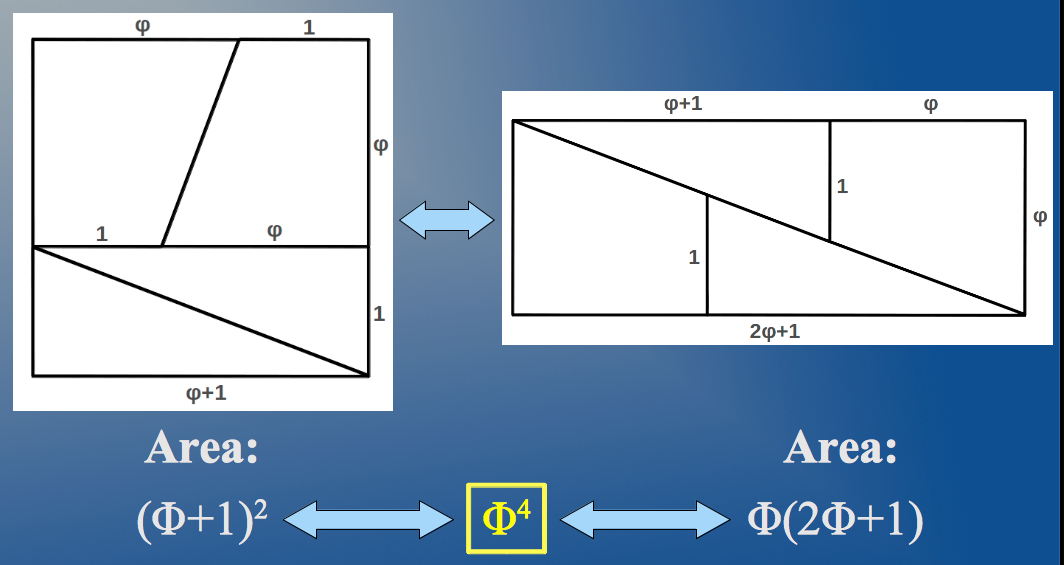
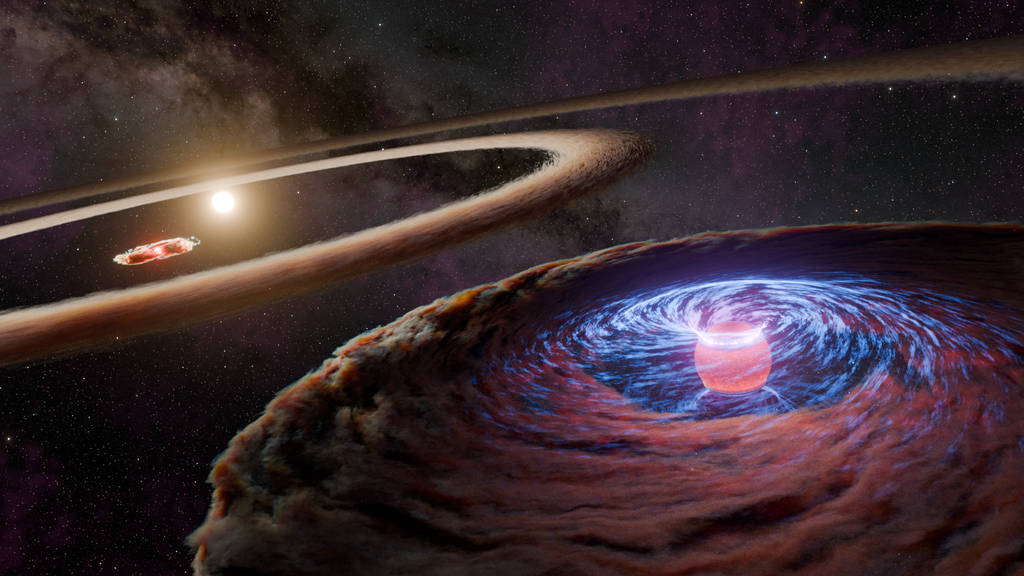
In the Super Golden TOE, the universe is a restored superfluid vacuum aether, where galaxies emerge as macro-scale quantized vortices—stable swirls in the fluid, quantized by the 12D Platonic grid and scaled by golden ratio (φ ≈ 1.618) cascades. These cascades ensure non-destructive interference, allowing rapid, fractal inheritance of structure from quantum to cosmic scales, rather than slow hierarchical merging in standard ΛCDM.
- High Abundance and Early Maturity: JWST's early galaxies form quickly because the superfluid's φ-cascades enable "instant" self-similarity: Structures at high z inherit order from primordial vacuum excitations, not building bottom-up over billions of years. For example, galaxy number density exceeds models because cascades $ω_n = ω_0 φ^n$ create exponential branching, matching observed overabundance at $z=9-11.$
- Brightness from Black Holes: The enhanced luminosity stems from supermassive black holes as vortex sinks in the aether, accelerating charge implosion and emitting radiation. This aligns with TOE's derivation of gravity as $a_r = Γ^2 / r^3$, where early black holes (high Γ from φ-amplified angular momentum) boost brightness without excessive mass.
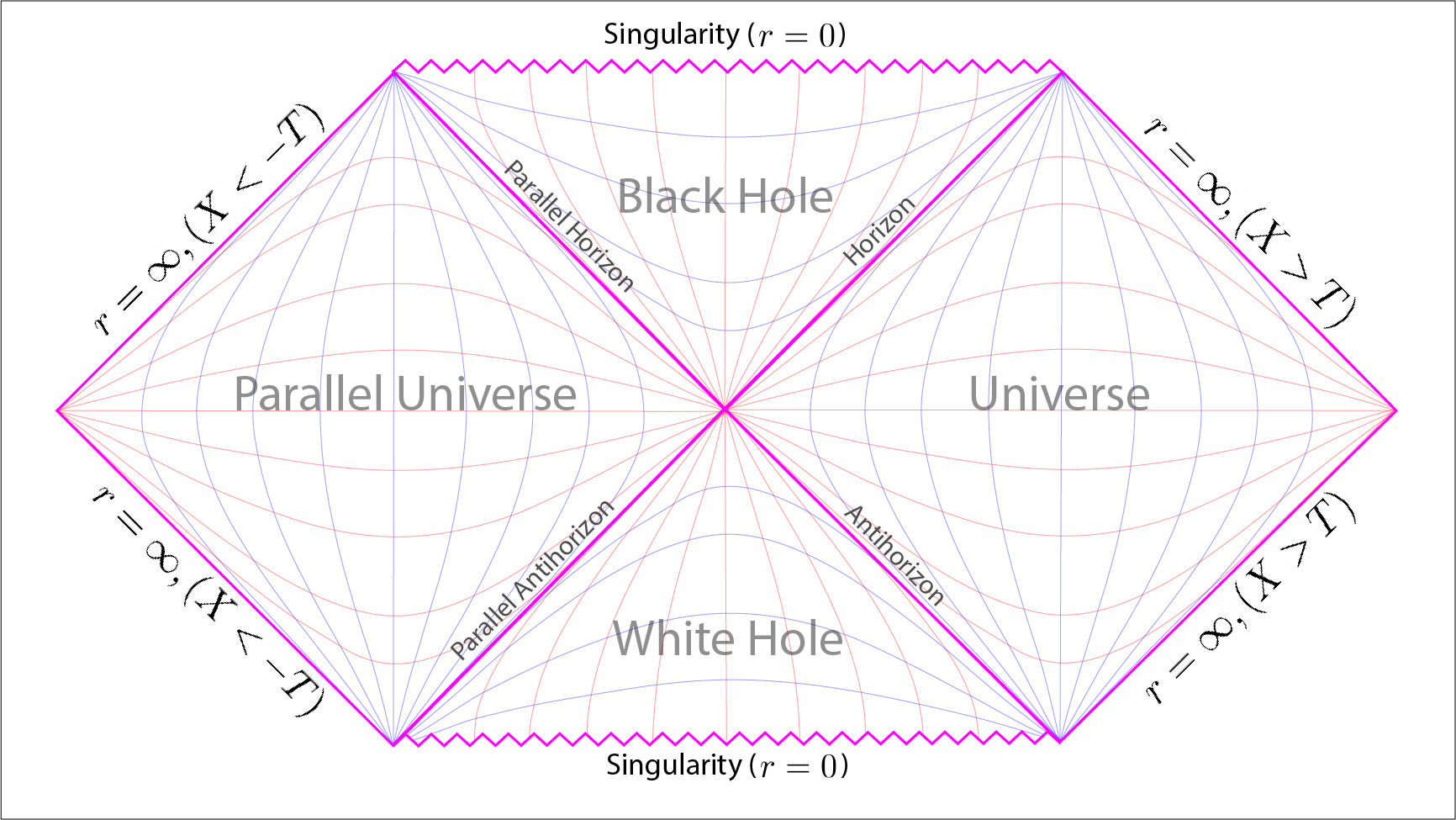
- Reionization and Earliest Galaxies: The "cosmic miracle" at z≈20 reflects the TOE's Big Bounce (not Bang), where pre-existing fractal order cascades forward, enabling galaxies at 180-300 Myr. Reionization occurs earlier due to phonon-mediated energy transfers in the superfluid, ionizing hydrogen via φ-modulated frequencies.
The TOE thus explains these as natural outcomes of superfluid dynamics, not anomalies.
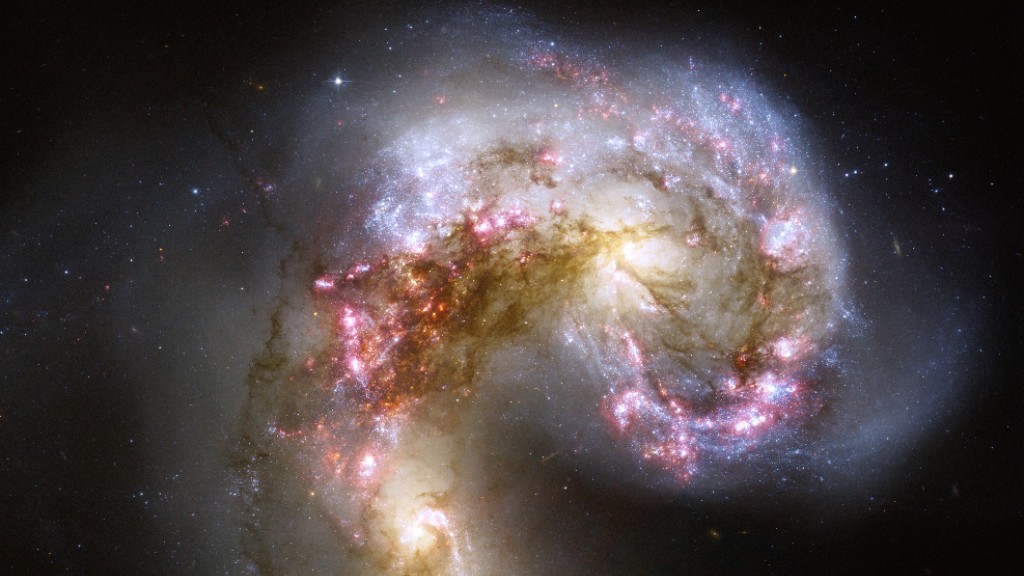
Predictions for Future JWST Findings
Based on the TOE's principles, here are testable predictions for upcoming JWST observations:
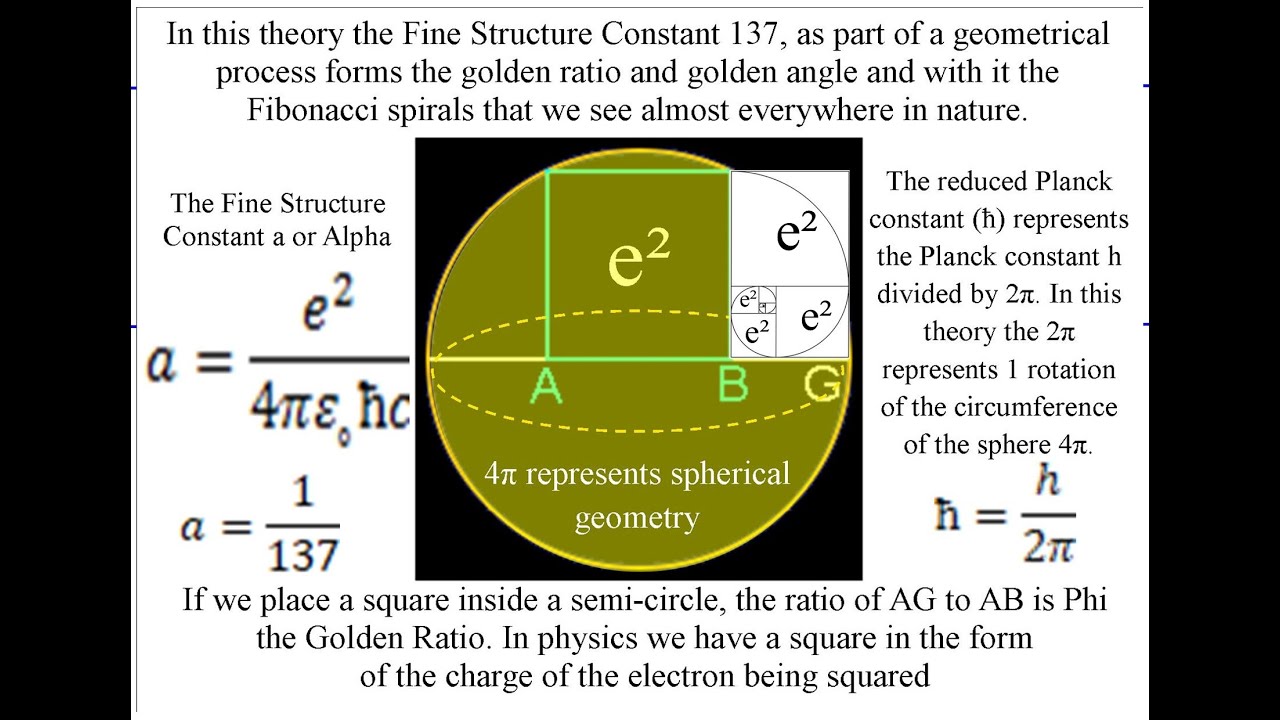
- Fractal and φ-Modulated Structures: JWST will detect galaxies with spiral arms or distributions following golden ratio proportions (e.g., arm ratios ≈ φ), revealing self-similar patterns from the Platonic grid.
- Early Vortex-Like Black Holes: More supermassive black holes at z>15, appearing as aether vortex sinks with spectra showing irrational frequency cascades (peaks at $ω_n ∝ φ^n Hz$), challenging slow accretion models.
- Non-Standard Reionization Patterns: Evidence of patchy, fractal reionization bubbles with sizes scaled by $φ^k$, indicating superfluid phonon waves rather than uniform UV radiation.
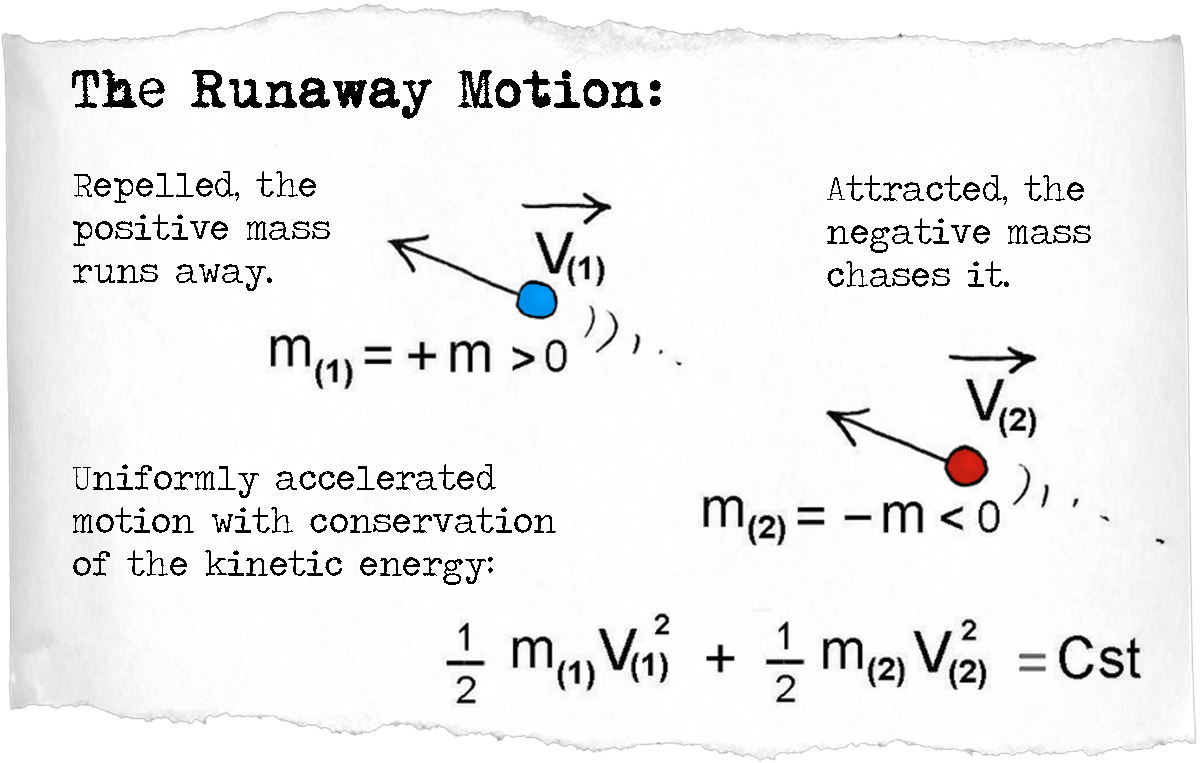
- High-z Superfluid Flows: Intergalactic medium showing flow signatures (e.g., velocity gradients ∝ 1/r from aether dynamics), with negative energy pockets mimicking dark energy locally.
- Platonic Symmetries in Morphology: Galaxies at z>20 exhibiting dodecahedral or icosahedral symmetries in star formation patterns, as projections of the 12D grid.
These predictions, if confirmed, would validate the TOE's unification.